
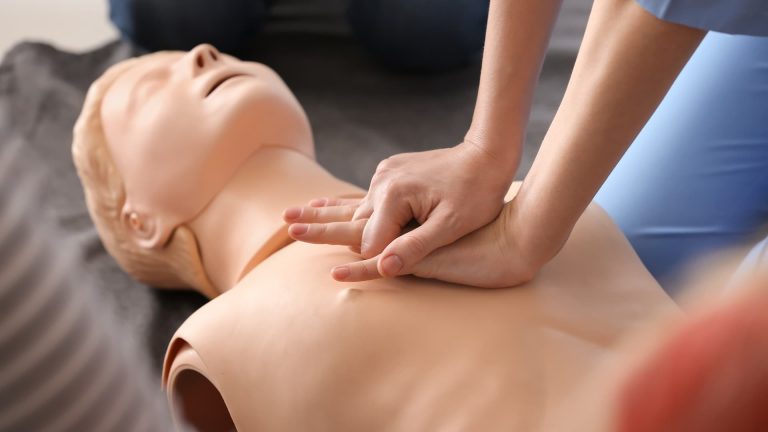
October 27th 2025 – a date that many of us in the first aid training industry have been anticipating for a while. Every 5 years the Resuscitation Council UK publishes its updated guidance for Basic Life Support protocols – they dictate that CPR is 30 compressions, 2 rescue breaths, 30 compressions etc, and over the course of the 5 years they use the latest clinical research and data to determine any alterations to our protocols. The updates are always eagerly awaited as they may well alter what we teach, and sometimes also how we teach it. The UK guidelines often mirror or at least echo those set by the European Resuscitation Council who published they guidelines a few days ago, but whilst I’ve seen social media posts from several other training companies jumping the gun and putting out information about the changes before they have been announced by the UK agency I’ve resisted this. Until the UK publish their guidelines, nothing is certain.
And actually, even now they have published the new protocols, there are still areas which are uncertain. It’s just as well that there’s a 12 month transition period to the new guidelines, because there is still much to be debated before Awarding Organisations, Trade and Industry Bodies and ultimately trainers will know for sure exactly what we should be teaching. There still needs to be consultation with the HSE over whether the content of workplace first aid courses will be amended, potentially with Ofsted for the same reason but within schools and childcare, and with the First Aid Quality Partnership to ensure all training is standardised.
Most changes are reasonably minor tweaks, but there is one potentially significant change to the compression:rescue breath ratio for children and infants which is far from clear cut. The confusion arises from the term ‘been trained in paediatric life support’. If you have ‘been trained in paediatric life support’ your protocols will be different to those who haven’t been trained – but what does ‘trained’ mean? Is it trained as part of a standard paediatric first aid course? On a community CPR session? As a healthcare professional in a clinical environment? There are no answers in the guidance, so this will be for further consultation with the relevant agencies to determine.
For the first time, the RCUK has published a section on first aid as well as Basic / Advanced Life Support, which is being welcomed by many. The section includes guidelines for anaphylaxis, asthma, chest pain, hypoglycaemia (low blood sugar), opiate/opioid poisoning, stroke, suicidal thoughts, cervical spinal motion restriction, life threatening bleeding, open chest wounds, amputated body parts, concussion, drowning, hypothermia, heat stroke and snake bites – and whilst the content of these sections doesn’t have any significant deviation from the content we already teach, it’s interesting that the RCUK has seen fit to cover these areas in their guidelines to ensure standardisation is further embedded. There are some areas not currently covered in standard workplace courses, e.g. opiate poisoning and suicidal thoughts – so maybe these are candidates for inclusion in any course amendments the HSE might implement.
Whilst some of the ‘tweak’ amendments are easy to implement in training, it’s just not worth jumping the gun to implement these immediately without the proper consultation, guidance, amendments to training and assessment materials and guidance of the Voluntary Aid Societies (e.g. St John Ambulance, Red Cross), Awarding Organisations and Trade Bodies – so for now I’m not going to be posting any of the amendments or changing my training until the industry is ready to implement them in one cohesive move – as advised by both the Trade Body and Awarding Organisation that I train through. Keep your eyes peeled for more clarity in the coming months, but don’t panic about the changes before the industry is ready for them!